
911
COMMUNICATIONS
THE 1ST FIRST RESPONDERS
Providing Expert Emergency Medical Dispatch in Little Rock & Central Arkansas
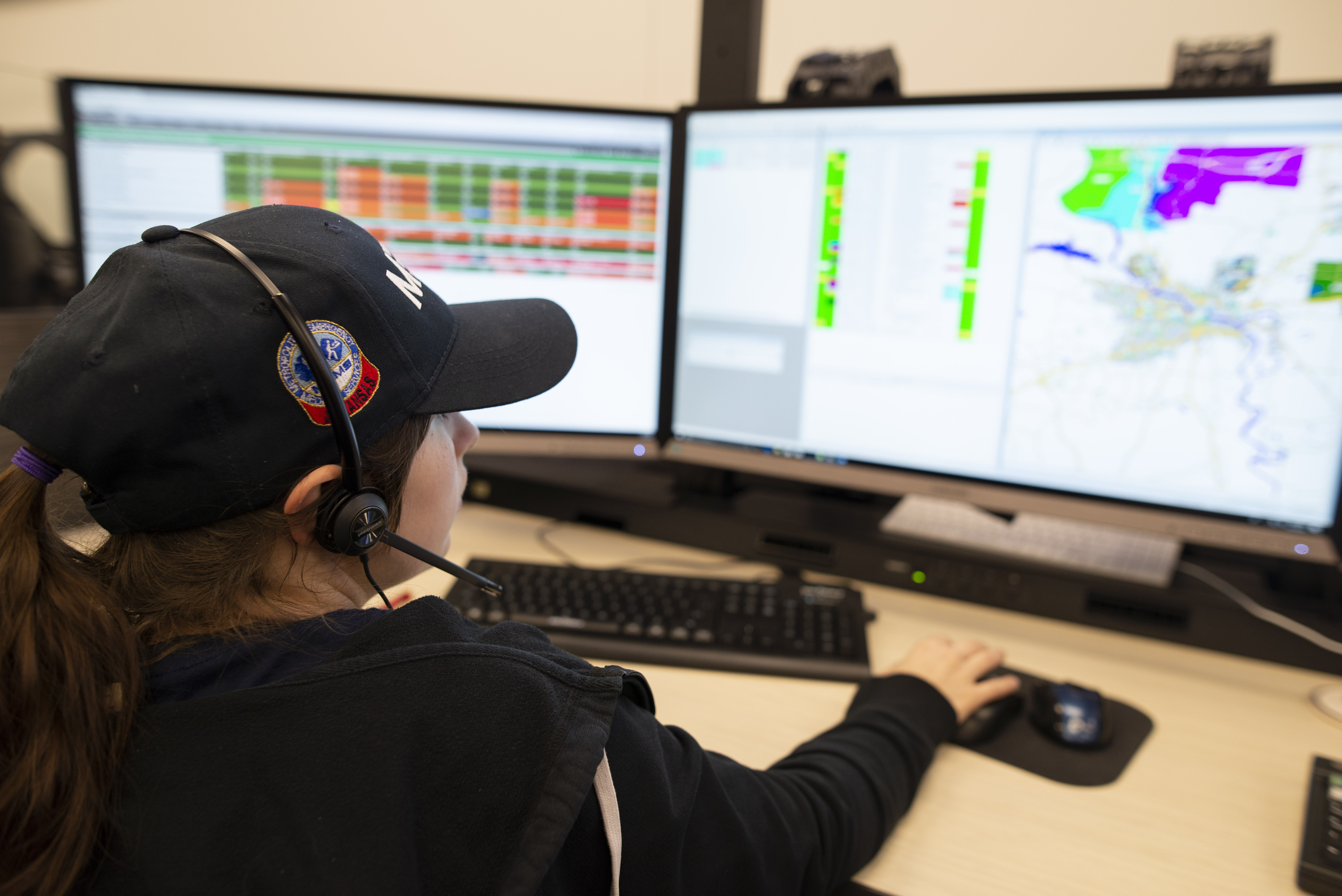
At MEMS, we are proud to have a state-of-the-art communications center staffed with certified Emergency Medical Dispatchers (EMDs) dedicated to serving the Little Rock metro area and central Arkansas. Using the Medical Priority Dispatch System, recognized as the gold standard in pre-hospital care, our EMDs efficiently gather essential information to dispatch ambulances and provide critical instructions to callers before help arrives. These life-saving instructions, known as Dispatch Life Support, include guidance on bleeding control, childbirth, CPR, and more.
A CERTIFIED CENTER OF EXCELLENCE
MEMS Communications is recognized as an Accredited Center of Excellence by the International Academies of Emergency Dispatch. After a rigorous application process, MEMS was awarded ACE status by the IAED in October 2017, becoming the second center in Arkansas and the 249th in the world to achieve this elite status.
How can I reach MEMS communications in an emergency?
CALL 911
This is the fastest and most effective way to reach us. It allows dispatchers to quickly identify your location and send the appropriate emergency resources—often including fire and first responders. The new 911 system also allows some useful information to be shared between Public Safety Answering Points (PSAPS) during transfers.
When should I call 911?
Call 911 for any situation where someone’s life, health, or safety is at immediate risk. This includes chest pain, trouble breathing, serious injuries, unconsciousness, or any situation that feels urgent or unsafe.
Can I hang up after help is on the way?
Stay on the line unless the dispatcher tells you it’s okay to hang up. They may have important instructions or need additional information to help responders find you faster.
What if I call 911 by accident?
Do not hang up. Let the dispatcher know it was accidental. Hanging up may result in a callback or responders being sent to ensure there is no emergency.
Why won’t the dispatcher stop asking questions?
Our dispatchers use the Medical Priority Dispatch System, a standardized protocol that helps us quickly understand what’s happening and send the right resources.
The dispatcher isn't talking on the radio to send a unit. Why?
MEMS uses a primarily silent dispatch system, which means calls are sent directly to crews through an in-vehicle system rather than over the radio. This reduces radio traffic and allows for faster, more efficient communication.
The person you’re speaking with is focused on gathering critical information and may not be the one dispatching units. Our team rotates roles, so while one dispatcher is on the phone with you, another is assigning resources.









BILLING QUESTIONS
MEMS is committed to providing quick and accurate responses to your inquiries about your billing statement or any other questions that you might have regarding your bill. Please contact our billing office, Monday to Friday, from 8am to 5pm at 501.301.1403.WHAT IS HIPAA?
HIPAA (Health Insurance Portability and Accountability Act of 1996) is United States legislation that provides data privacy and security provisions for safeguarding medical information.LEARN MORE